
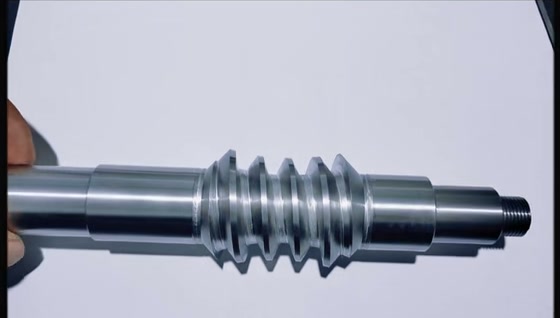
Surface finishing moves a machined part into a different surface condition. To connect the finished part with the drawing, process review needs to address treated regions, fit and thread requirements, and checks before and after treatment. Clear interfaces let machining, coordinated finishing and final inspection work toward the same delivery condition.
Start with how a surface change affects function
Consider the treatment type, material condition and functional requirements together. A deposited coating adds a layer to the original surface, while a material-removal treatment changes geometry differently. Oxidation and other surface processes have their own mechanisms. They cannot share one universal dimensional allowance.
A deposited layer on a bore or thread can reduce the remaining clearance. A change acceptable on an appearance surface may not suit a mating or electrical contact area. Process review should therefore start from the final function and drawing requirements, rather than color or a shiny appearance alone.
Which surfaces should be treated or masked?
Mark the treated regions, areas to remain untreated, and important mating surfaces, mounting faces, threads and contact areas separately. A boundary can affect assembly or appearance, so “mask locally” is incomplete without identifying the surfaces involved.
If the selected process involves racking contact, discuss permitted contact locations and functional regions needing protection. Acceptable contact marks, masking transitions and appearance requirements depend on the actual process. These are handover questions between manufacturing and finishing, not a requirement for the buyer to design the tooling.
When are dimensions and threads accepted?
State whether the drawing requirements apply before treatment or in the final delivery condition. A pre-treatment dimensional or gauge result describes the condition entering the next operation. After a surface change, final fit and thread acceptance still need to reflect the finished-state requirements.
Coating thickness does not replace dimensional, thread or assembly acceptance. Material, geometry, local treatment distribution and the specified process document influence the operation plan. Discuss machining allowance and checking methods for the particular characteristic, rather than deriving every part’s requirements from one thickness value.
Use the silver-plated bracket case to understand the two inspection points
The published diode mounting bracket uses 2A12-T4 aluminum, with thread designations including 1/4"-28 UNF-2B and M4-6H and 5–8 μm silver plating specified. Its documented route connects machining, deburring, inspection, silver plating and final inspection.
That sequence highlights two different checking questions: what condition is handed over before treatment, and how the completed part is assessed against finished-state requirements. Identifying the characteristics covered before treatment and at final inspection makes the manufacturing-to-finishing interface clearer.
Those material, thread, plating and operation details belong to the case; they are not a standard route for every part. A new project can follow the same reasoning about functional surfaces and acceptance condition, while taking its requirements from its own drawing and specified process document.
Discuss the finishing interface and delivery condition during quoting
Begin with functional surfaces and final acceptance requirements, and list uncertain masking or treatment constraints as review questions. Coordinated operations and inspection records follow the project information; a treatment name is not a promise of suitability for every material, geometry or surface.
Packaging and protection should address the same functional regions. Identify surfaces that need protection from impact, contamination or contact, and carry those requirements from final inspection into delivery so the inspected condition has a defined protection basis before transport and assembly.
- Which areas need treatment or masking, and which have contact or appearance restrictions?
- Do dimensional, thread and assembly requirements apply before treatment or at final delivery?
- Which inspection records and functional-surface protection requirements must accompany delivery?
Apply this to your own project.
Share the current drawing revision, quantity and requirements you want to review.
No drawing yet? Ask a question