Preparing the specification
Compare load, corrosion environment, hardness, heat treatment and availability before choosing a grade. Give the complete specification and condition on the drawing. Confirm supplier availability and any required material certificates for the order.
Material selection
Aluminum alloys
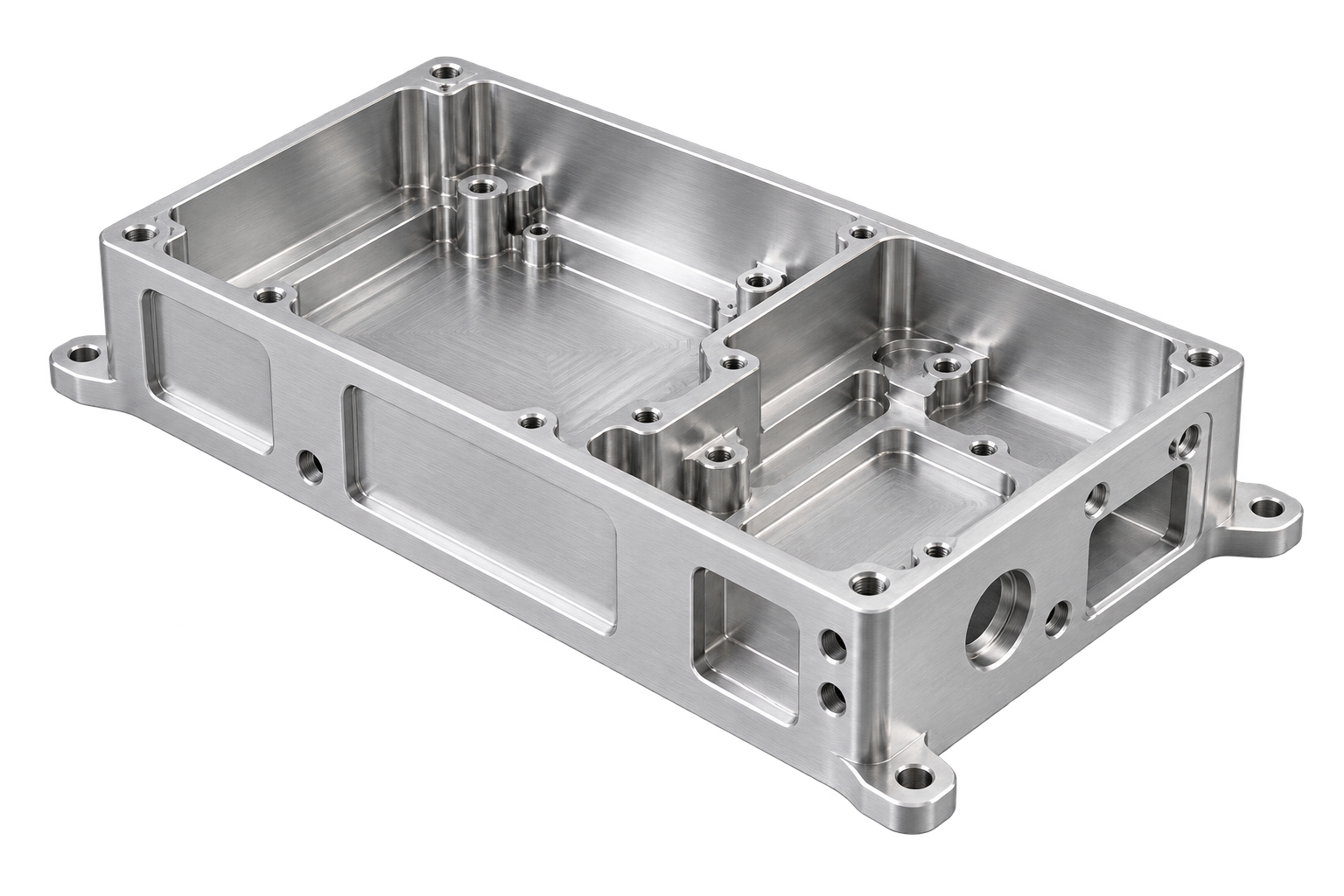
6061-T6 and 6082-T6 are options for structural parts; 7075-T6 favors higher strength. Specify alloy, temper, mating faces and surface finish.
Stainless steel
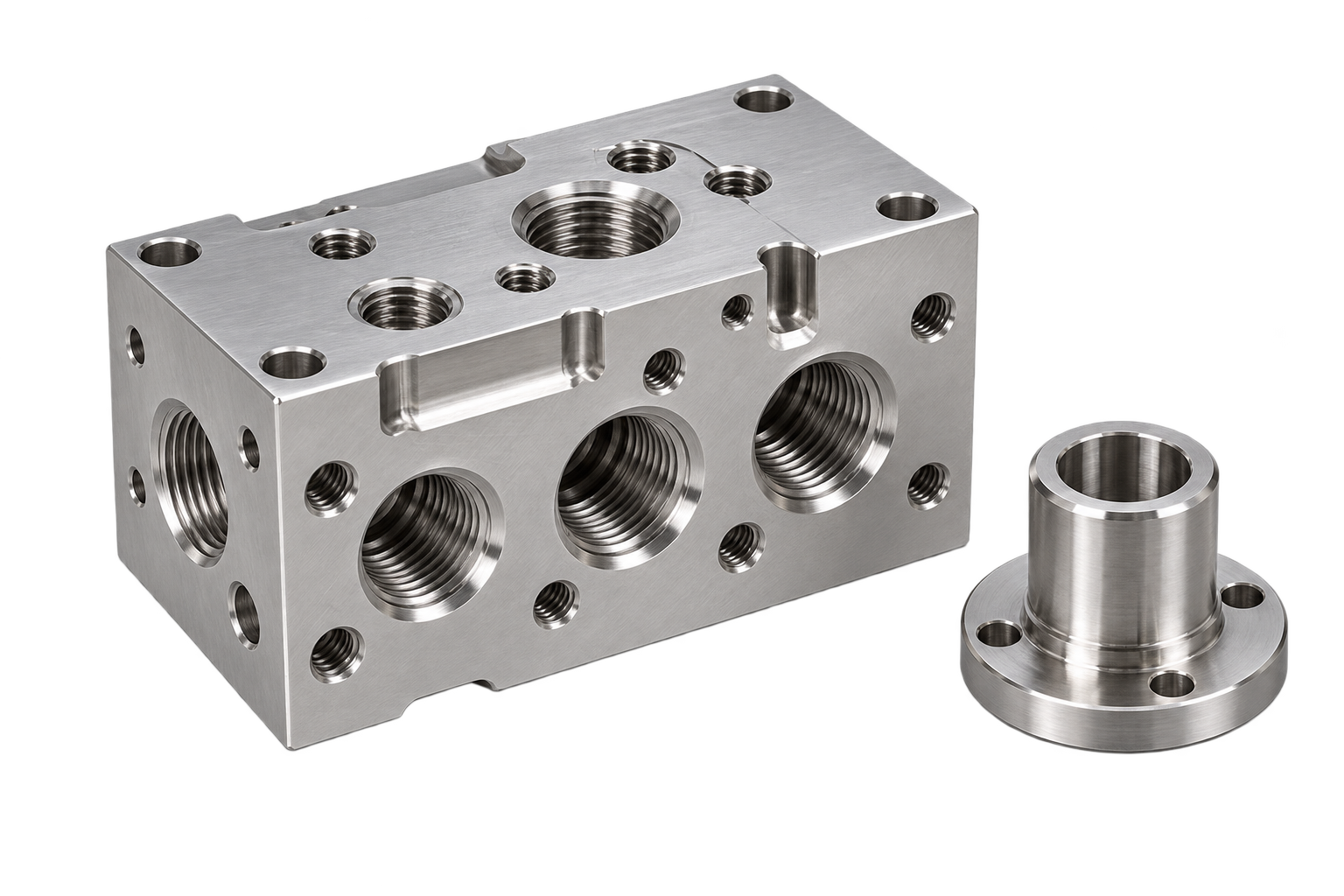
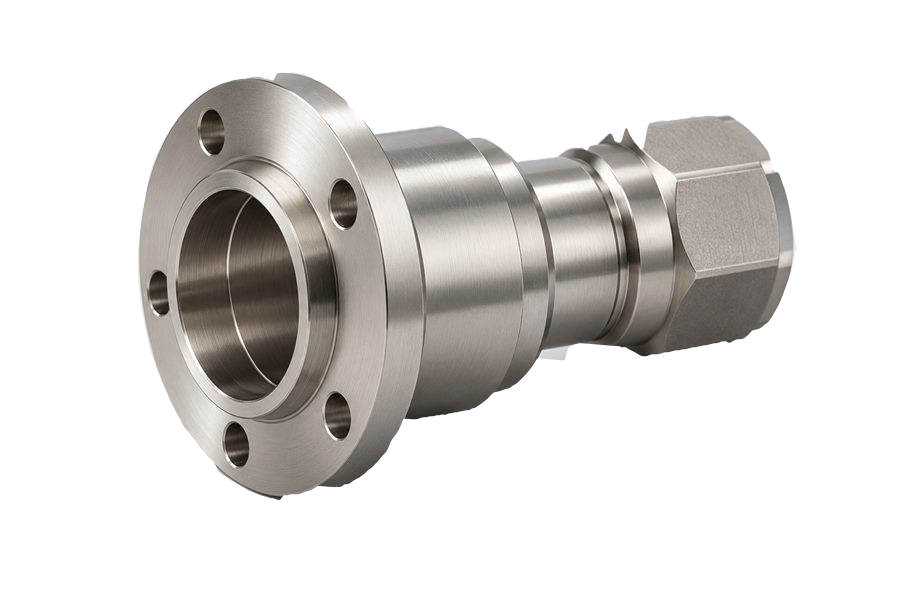
304 is a general corrosion-resistant grade; 316L is often selected for pitting resistance, while 17-4PH strength depends on heat treatment. Specify the service medium and sealing faces.
Titanium alloys
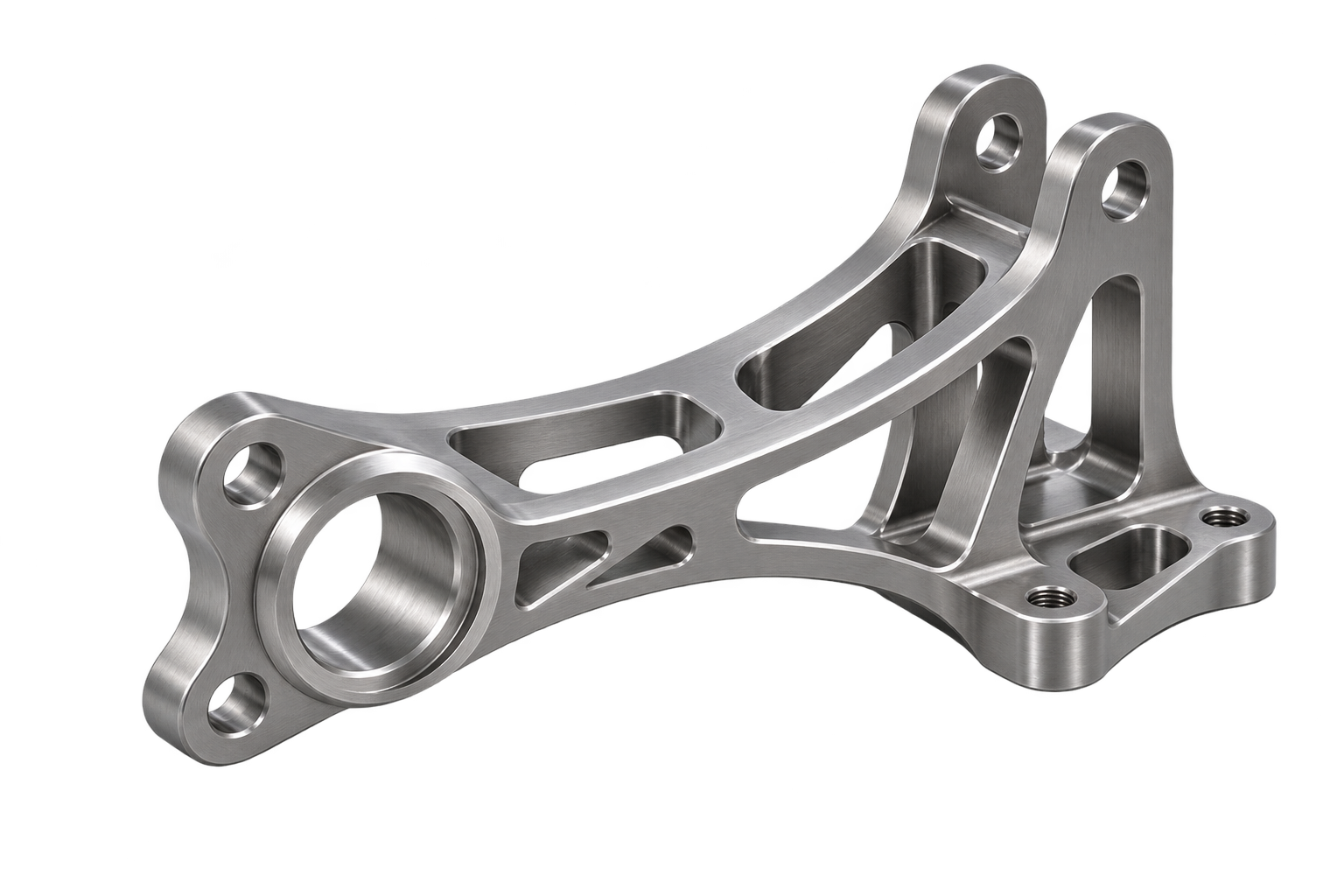
Grade 2 emphasizes corrosion resistance and formability; Grade 5 favors structural strength. Low thermal conductivity makes heat control important during machining.
High-temperature alloys
Iron-, nickel- and cobalt-based alloys are selected for elevated-temperature service. The applicable temperature and oxidation requirements depend on the grade.
Copper & copper alloys
C11000 and C10100 emphasize thermal and electrical conductivity. C36000 is a leaded free-cutting brass; check the target market and application requirements.
Tungsten & molybdenum
Tungsten offers high density, while molybdenum combines heat resistance and low thermal expansion. Consider brittleness and oxidation for the service environment.
Nickel-based alloys
Alloy 625 combines corrosion resistance and strength; 718 can be age hardened, and C-276 is used for aggressive chemical environments.
Aluminum silicon carbide
AlSiC combines thermal conductivity, low adjustable thermal expansion and stiffness. The SiC fraction and processing affect the resulting properties.
Before sending the RFQ
Highlight critical features and describe how the part will be inspected. Ask the supplier to confirm feasibility for the actual drawing.
Apply this to your own project.
Share the drawing, quantity and specification you want to review.